The 2026 Second Session of SCS Clinical Technique Training Course Successfully Held in Jinan
From: News Date: 2026-08-31 17:27On August 22, 2026, the "2026 Second Session of Spinal Cord Stimulation (SCS) Clinical Technique Training Course," hosted by the Chronic Disease Prevention and Control Branch of the National Health Industry Enterprise Management Association, successfully concluded in Jinan, Shandong Province.
This training course focused on cutting-edge neuroregulation technologies including spinal cord stimulation (SCS), peripheral nerve stimulation, sacral nerve stimulation, and brain-computer interfaces. It also featured hands-on surgical training on SCS puncture techniques. The course invited Dr. Han Xiaodi from Beijing Tiantan Hospital, Capital Medical University, to serve as the Conference Chair. Dr. Yan Ruhu from the First Affiliated Hospital of Anhui University of Chinese Medicine, Dr. Su Huaxin from Hunan Provincial Direct-affiliated Traditional Chinese Medicine Hospital, Dr. Zhao Dongsheng from Xi'an Honghui Hospital, Dr. Guo Wenchang from Hebei Provincial People's Hospital, and Dr. Yu Junmin from the Affiliated Hospital of Qingdao University (listed in presentation order) served as lecturers and hands-on surgical instructors. Nearly 100 physicians from pain medicine, neurosurgery, spine surgery, and related fields across the country attended the training.
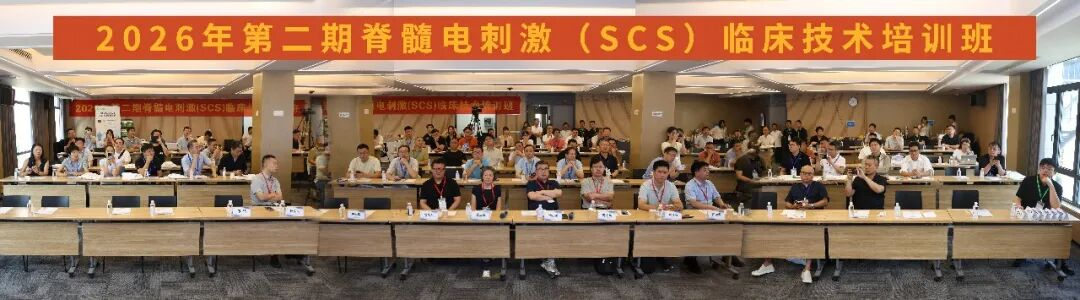
Theoretical Lectures
Dr. Han Xiaodi from Beijing Tiantan Hospital, Capital Medical University, delivered the opening address for the training course. Subsequently, Dr. Yan Ruhu, Dr. Su Huaxin, Dr. Zhao Dongsheng, and Dr. Guo Wenchang delivered theoretical lectures and engaged in on-site discussions on the following topics: Puncture Surgical Techniques for Spinal Cord Stimulation (SCS), Application of Spinal Cord Stimulation in Post-Stroke Hemiplegia, Case Sharing on SCS Treatment for Spinal Cord Injury, and Case Sharing on SCS Treatment for Chronic Disorders of Consciousness. Ms. Xu Wenwen and Mr. Duan Kun from the Rishena Neuroregulation Academy introduced Exploration and Progress in the Field of Brain-Computer Interfaces and SCS Programming Theory and Practical Strategies for Different Indications, respectively.
Spinal Cord Stimulation (SCS) Clinical Technique Training Course – 2026 Second Session
Opening Address
Han Xiaodi
Spinal Cord Stimulation (SCS) Clinical Technique Training Course – 2026 Second Session

Han Xiaodi | Beijing Tiantan Hospital, Capital Medical University
Opening Address
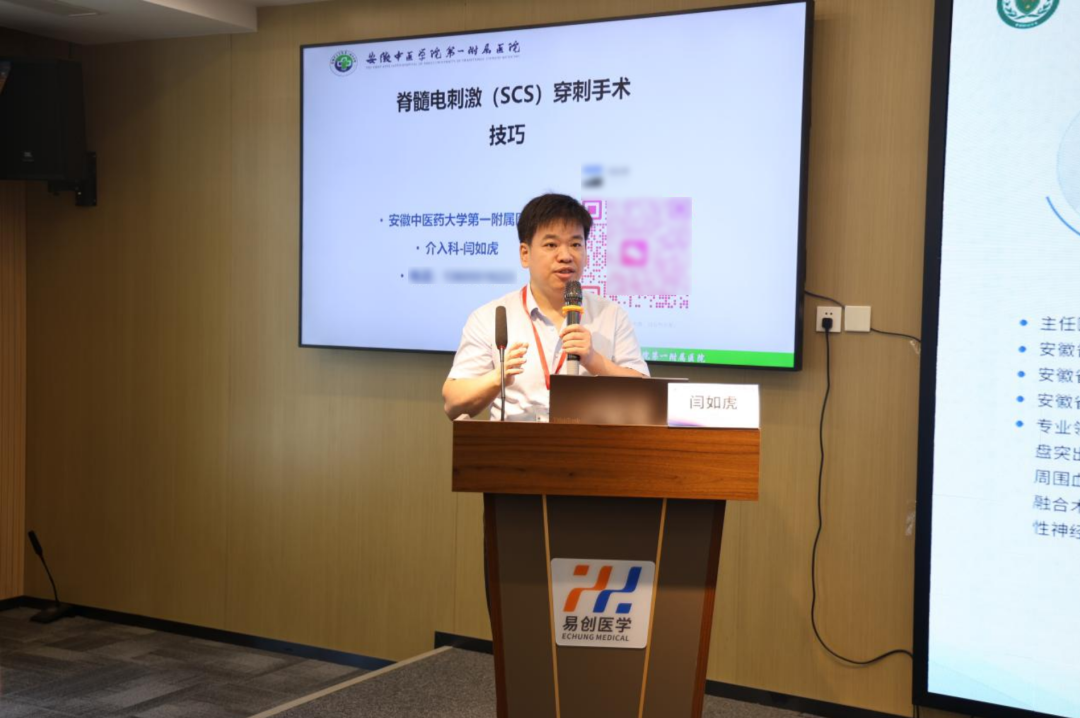 Yan Ruhu | First Affiliated Hospital of Anhui University of Chinese Medicine
Puncture Surgical Techniques for Spinal Cord Stimulation (SCS)

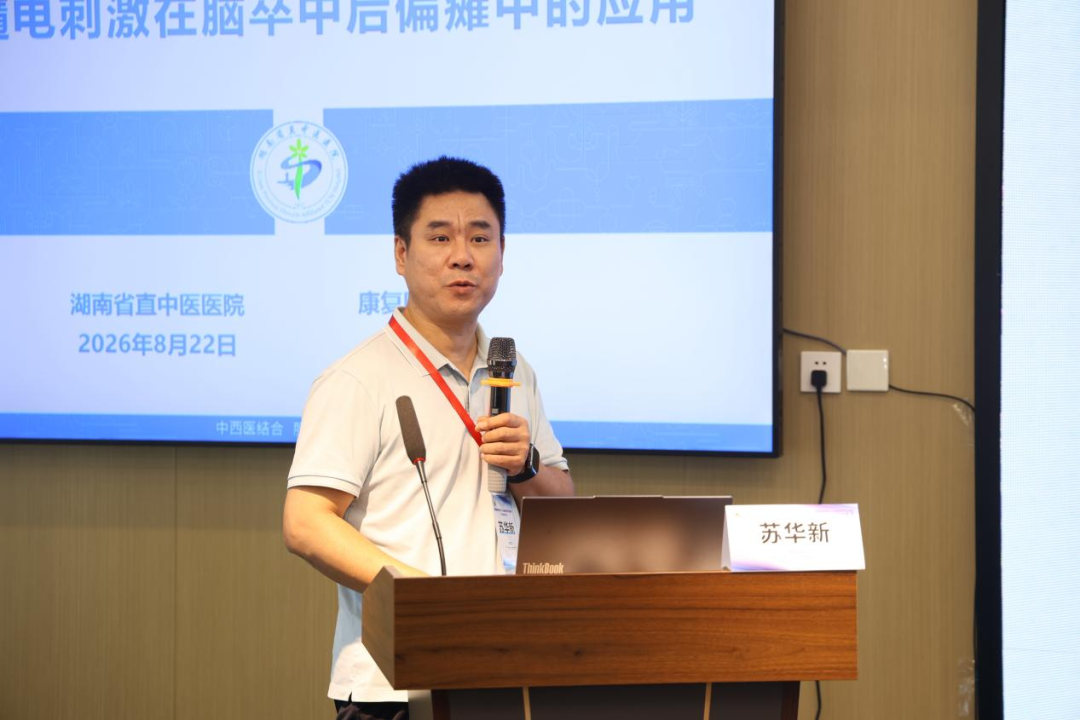
Su Huaxin | Hunan Provincial Direct-affiliated Traditional Chinese Medicine Hospital
Application of Spinal Cord Stimulation in Post-Stroke Hemiplegia
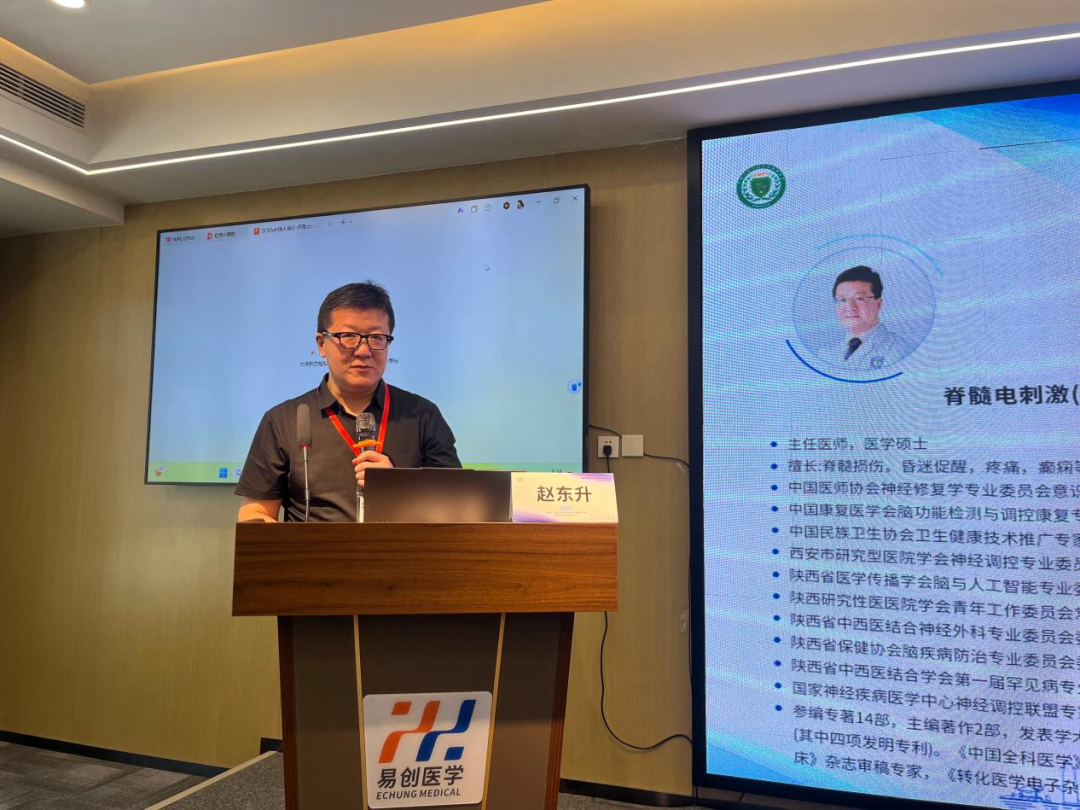
Zhao Dongsheng | Xi'an Honghui Hospital
Case Sharing on SCS Treatment for Spinal Cord Injury
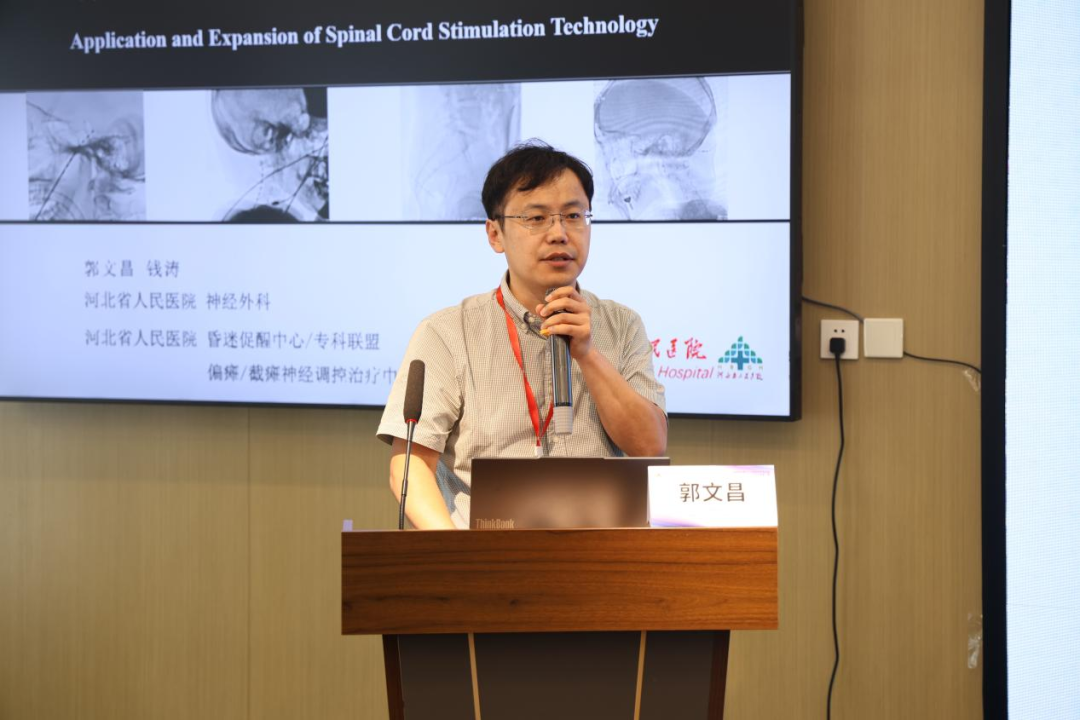
Guo Wenchang | Hebei Provincial People's Hospital
Clinical Application and Expansion of Spinal Cord Stimulation Technology
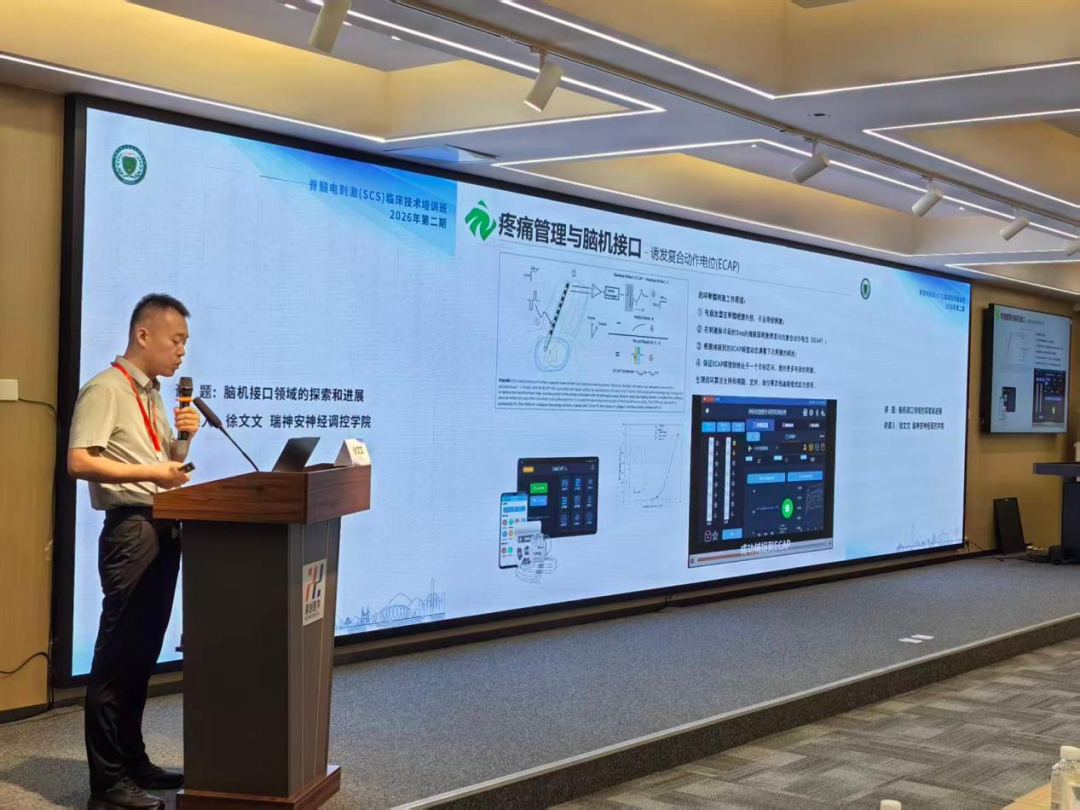
Xu Wenwen | Rishena Neuroregulation Academy
Exploration and Progress in the Field of Brain-Computer Interfaces
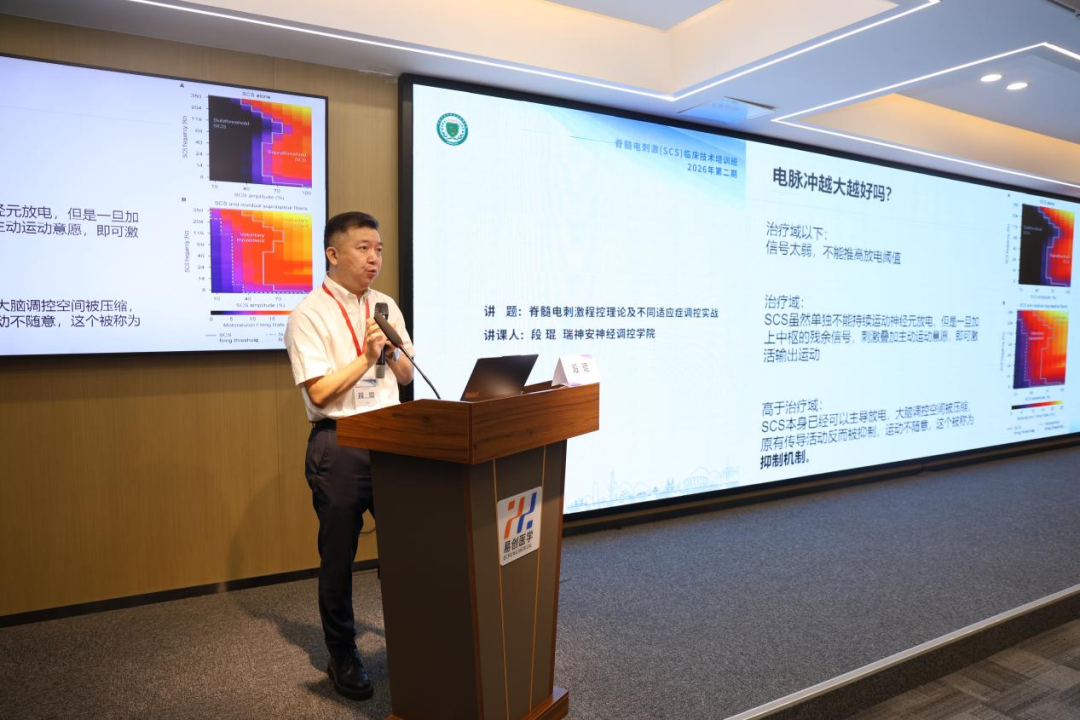
Duan Kun | Rishena Neuroregulation Academy
SCS Programming Theory and Practical Neuromodulation Strategies for Different Indications
SCS Puncture Hands-on Surgical Training
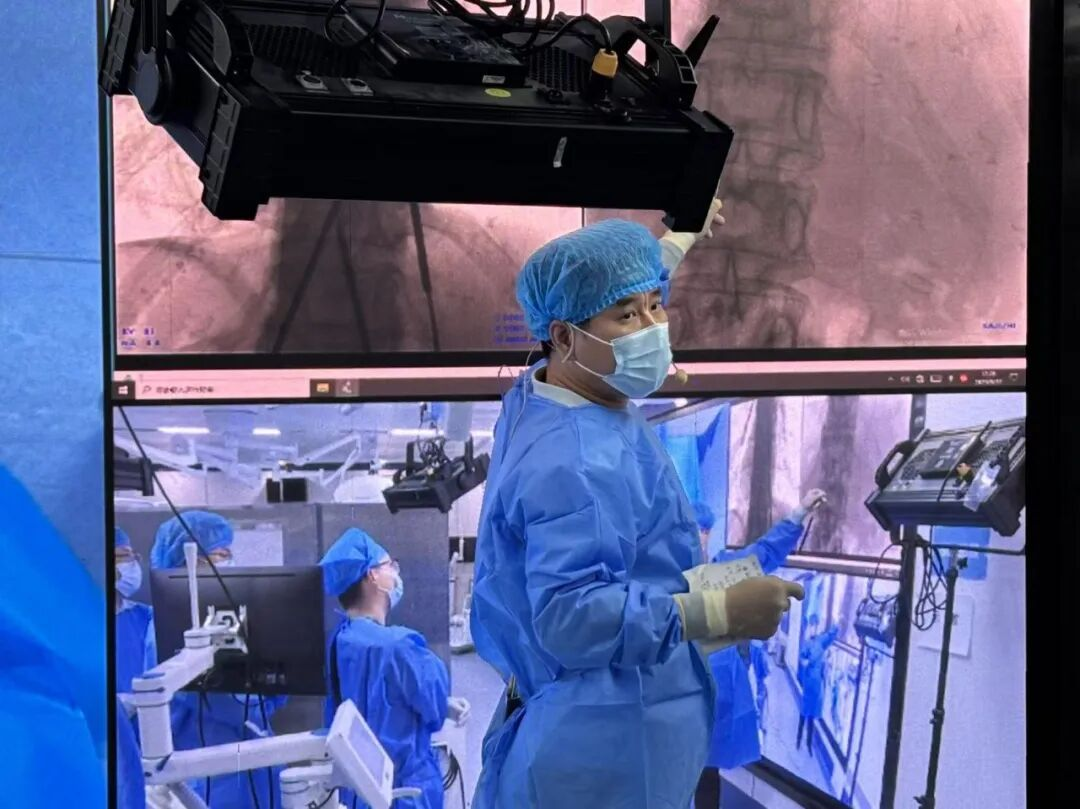
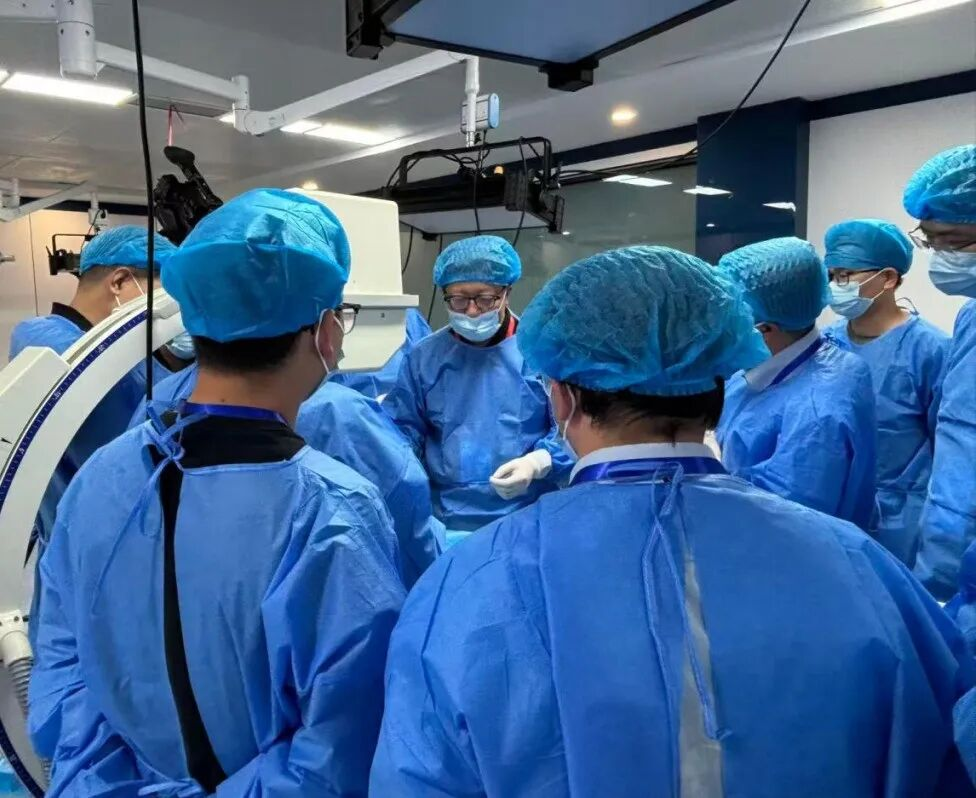
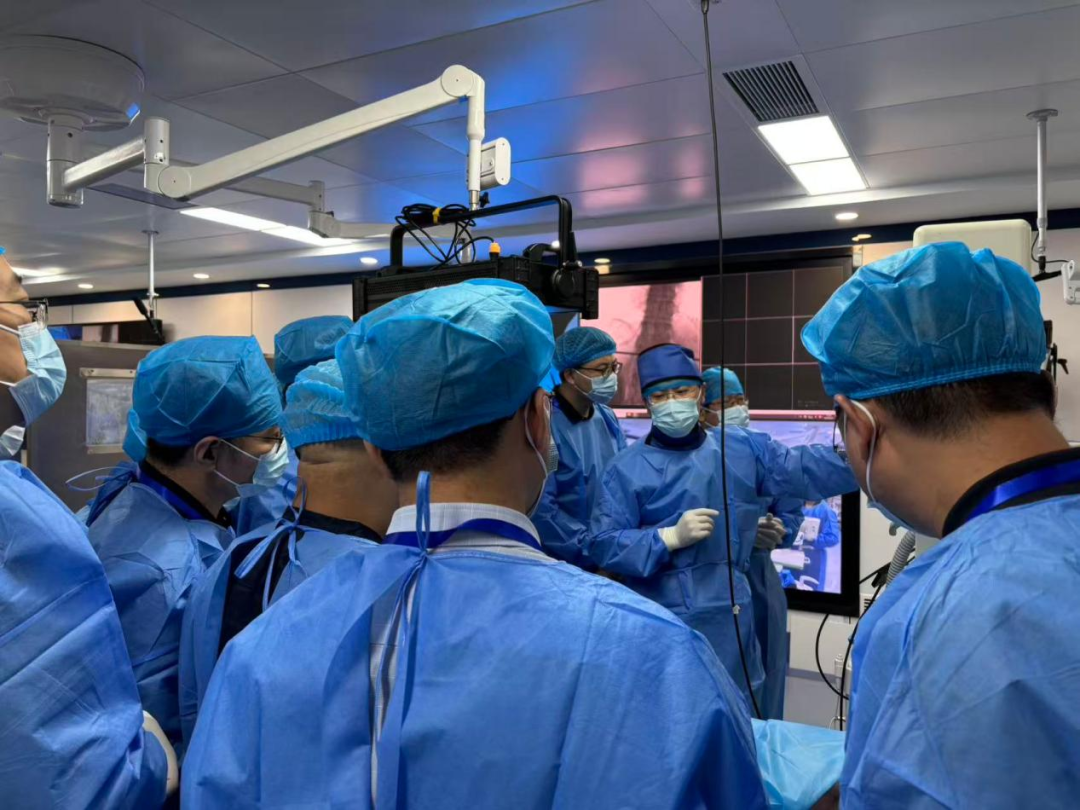
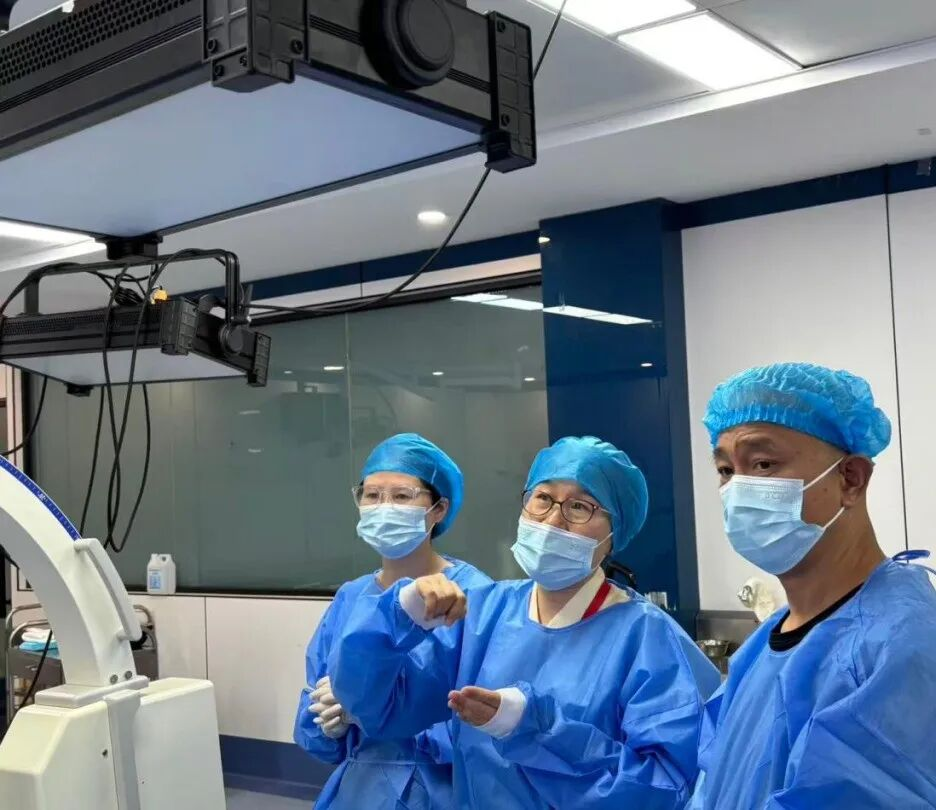
To effectively enhance participants' clinical operational skills, this training course incorporated a C-arm-guided SCS puncture hands-on teaching session based on the theoretical lectures. Five instructors each led a group of trainees through standardized practice of key steps including SCS puncture approach and electrode placement, with on-site Q&A on common intraoperative challenges.
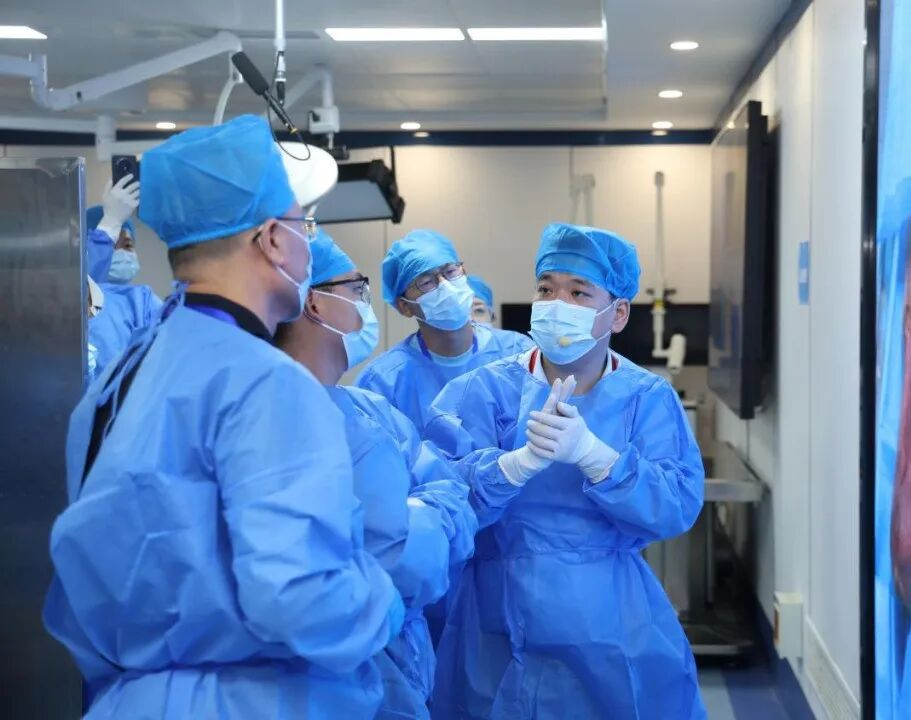
Hands-on Instruction by Dr. Yan Ruhu
Hands-on Instruction by Dr. Su Huaxin
Hands-on Instruction by Dr. Zhao Dongsheng
Hands-on Instruction by Dr. Guo Wenchang
Hands-on Instruction by Dr. Yu Junmin
Conclusion
The successful hosting of this Spinal Cord Stimulation (SCS) Clinical Technique Training Course has provided a high-quality learning and exchange platform for clinicians in the field of neuroregulation in China. As the clinical applications of SCS technology continue to expand in areas such as pain management, hemiplegia, spinal cord injury, and disorders of consciousness, standardizing puncture surgical procedures is of great significance for ensuring surgical safety and improving therapeutic outcomes. In the future, the Chronic Disease Prevention and Control Branch of the National Health Industry Enterprise Management Association will continue to promote the popularization and application of SCS puncture techniques, contributing to the high-quality development of the neuroregulation field.
Contact


